.avif)
Picture this:It’s 2027 and 10 p.m. during tax season, you’re again chasing down one more missing 1099, reconciling a bank feed that refuses to match, and wondering how you’re supposed to squeeze in actual client strategy conversations when your calendar is already packed.
Sound too familiar? If you’re a CPA in the U.S. right now who is already dreading the 2027 tax deadline, you’re not alone. The profession is changing fast — talent pressures, client demands, and technology are colliding in ways that feel both exhausting and full of potential.
Data from reputable research firms paints a clear picture on what exactly is shifting in the world of CPAs in the US in 2026. Tax season next year might be completely different to what you have been experiencing up to now.
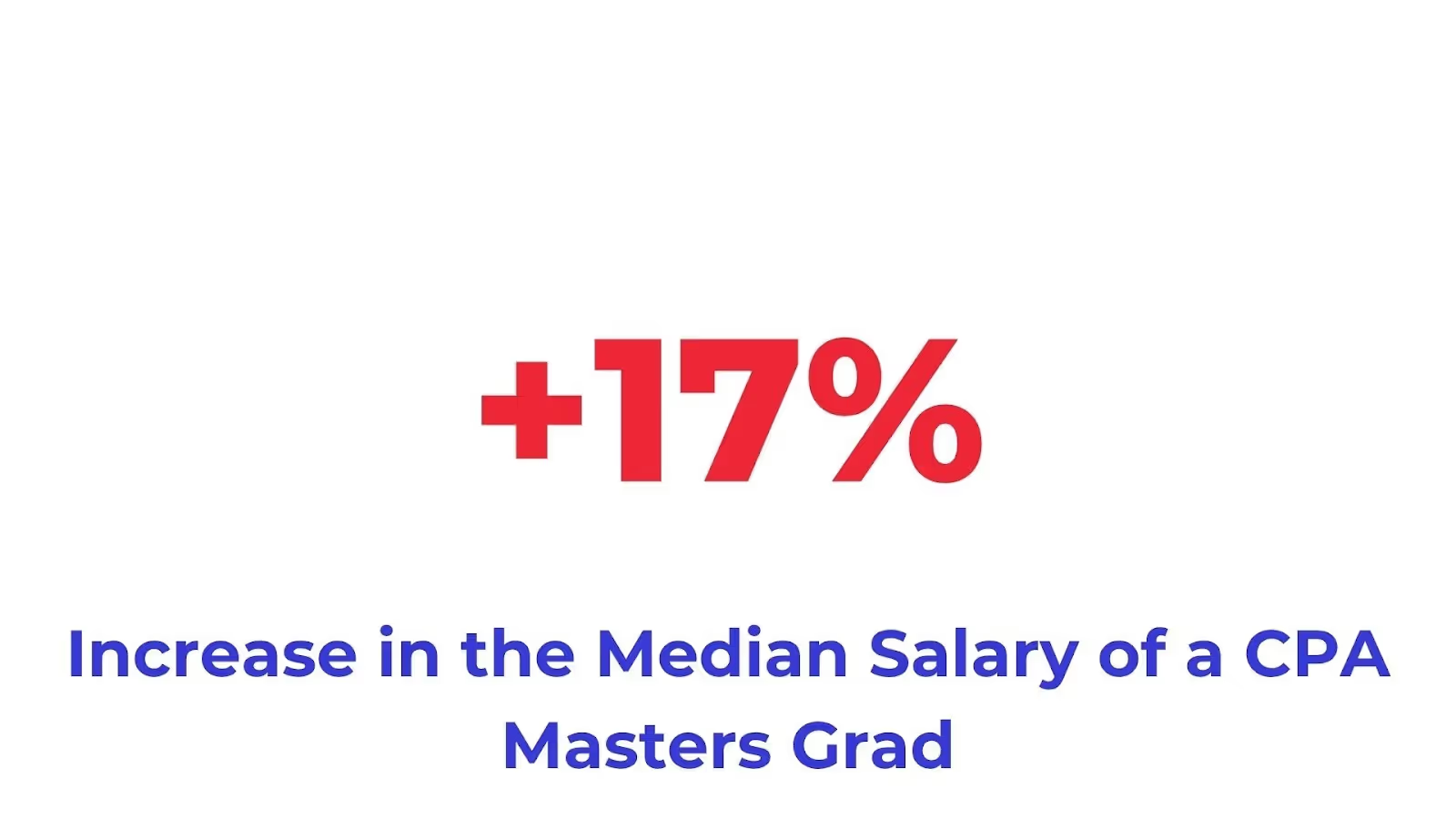
First, the talent story. For years we’ve heard about the “graying” of the profession, and the latest AICPA data confirms it hasn’t magically fixed itself. The 2025 AICPA Trends Report shows that the number of accounting graduates (bachelor’s and master’s combined) dropped 6.6% in the 2023–24 academic year to roughly 55,152. Yet firms are still hiring aggressively: public accounting practices brought on 11,985 new graduates in 2024, and 75% of those that hired plan to keep the same pace for the near-future.
That pressure shows up in compensation: the AICPA’s 2025 National Management of an Accounting Practice (MAP) Survey found median starting salaries for new bachelor’s grads jumped almost 11% over two years to $60,834, and master’s grads climbed nearly 17% to $67,750.
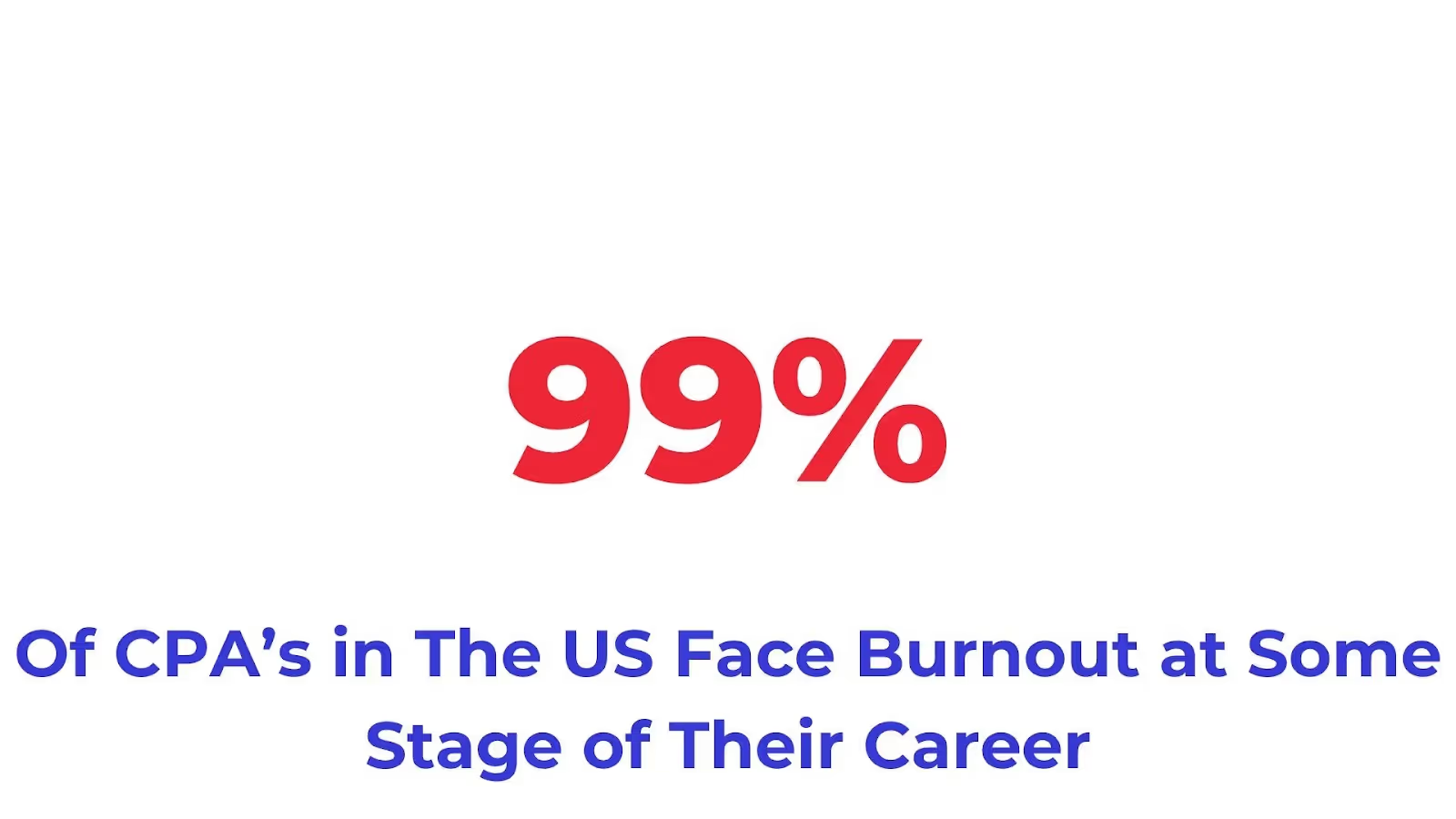
All of this feeds directly into the burnout numbers we’re seeing. A University of Georgia/FloQast study from 2024 found that 99% of accountants experience the classic burnout triad — exhaustion, inefficiency, and alienation — at some point. 28% of CPA practices now list staff burnout as their single biggest operational obstacle — higher than tech glitches or process breakdowns.
Hopefully you have realized by now that feeling thinly spread and super stretched isn’t just happening at your CPA firm. It is endemic to the profession. There is good news, however. Research shows a clear path forward that doesn’t require magically hiring 20% more people.
It’s called insight through automation that delivers information at the click of a mouse and more importantly: billable hours back. How? By automating the processes you are already using. No more document chasing. No more nagging clients. No more sifting through paperwork or endlessly punching in data.
Wolters Kluwer’s 2025 Future Ready Accountant report reports that 70% of U.S. accounting firms are already using automation at least weekly for tax research, document summarization, and workflow support. Even more telling: 78% of U.S. firms plan to increase their automation investment in the coming year.
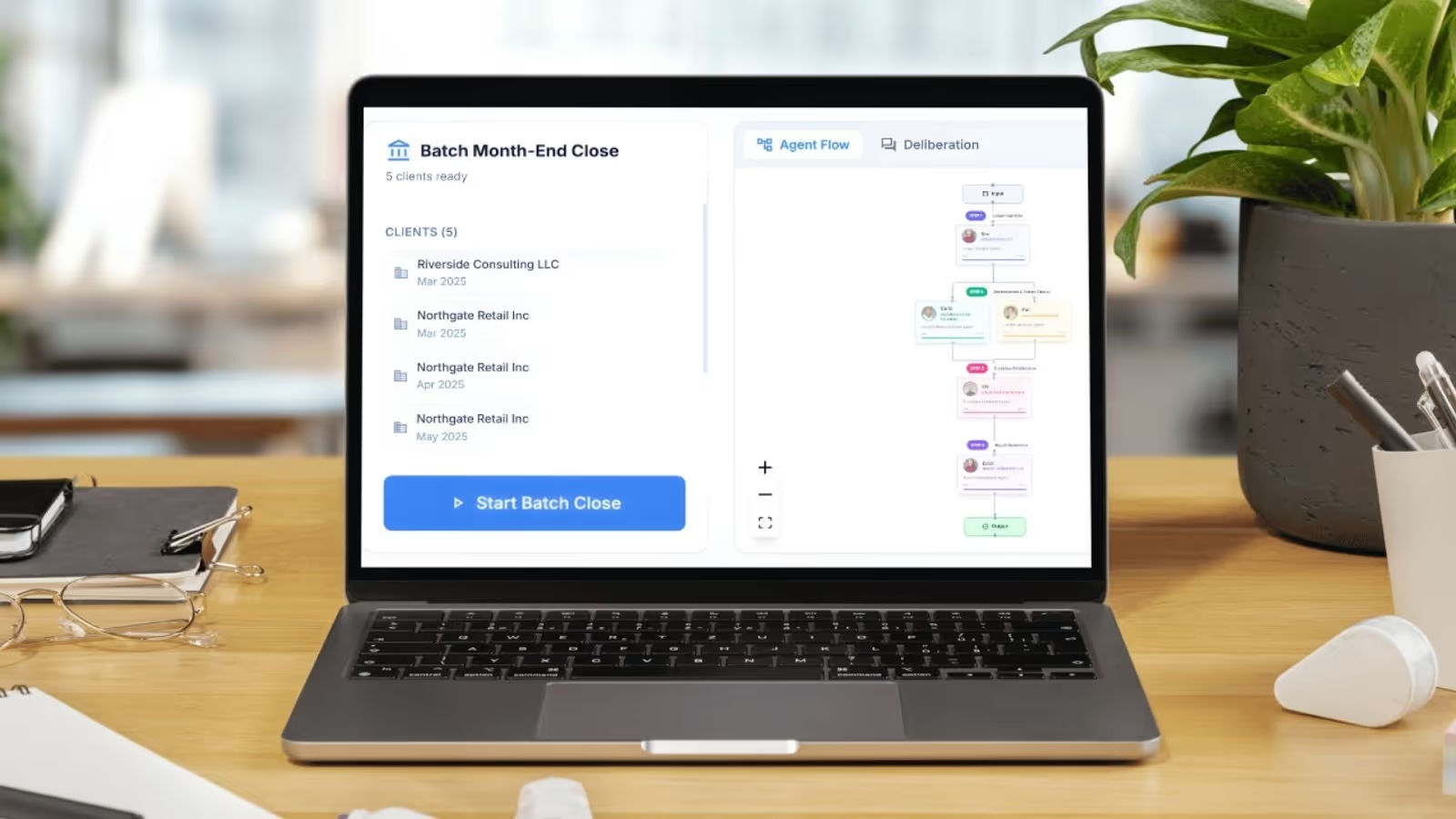
Independent studies of accountants using automation show they’re reallocating roughly 8 hours in a standard 40-hour week. Some firms report closing month-end books 7 – 8 days faster and seeing 21% higher billable hours among automation users. The pattern is consistent: automation isn’t replacing judgment; it’s giving judgment room to breathe.
That breathing room matters because clients aren’t just asking for compliance anymore. They want proactive advice. The same Wolters Kluwer report notes that 94% of U.S. firms now offer advisory or consulting services, with 63% calling it a core offering. The AICPA MAP Survey backs this up: client accounting and advisory revenue continues to grow alongside traditional tax and audit work.
It leaves you with a choice. You can keep grinding through the same manual cycles that have defined the last decade, or you can lean into the tools that reputable research now shows are already delivering measurable time back to professionals.
The firms pulling ahead aren’t the ones with the biggest headcount — they’re the ones using technology to let their people focus on the work only a skilled CPA can do: interpreting data for clients, spotting planning opportunities, and building deeper advisory relationships.
.avif)
None of this requires ripping out your existing tech stack or retraining everyone from scratch. The most successful adopters are integrating automation into the workflows they already run — document chasing, reconciliation, onboarding, status tracking — so the day-to-day feels faster and less frantic without changing how partners or clients interact with the firm.
If you are a CPA firm wondering where the next 100 billable hours will be coming from and what happened to those hundreds of hours you slaved away on instead, 2026 looks like the year you might actually get them back.